We source directly from certified manufacturers, ensuring every bag of cement and every brick meets strict quality standards.
Our fleet delivers heavy loads directly to your construction site on schedule, saving you from costly downtime.
Experienced consultants help calculate exact quantities of dry mixes and masonry units to eliminate material waste.

Behind every successfully built residential house stands a reliable supply chain. Here is a quick look at what our team achieves every single year.

10 years supplying sites
4652

5000 successful deliveries
20712

15 brand partnerships
17409

98 percent on-time rate
65455
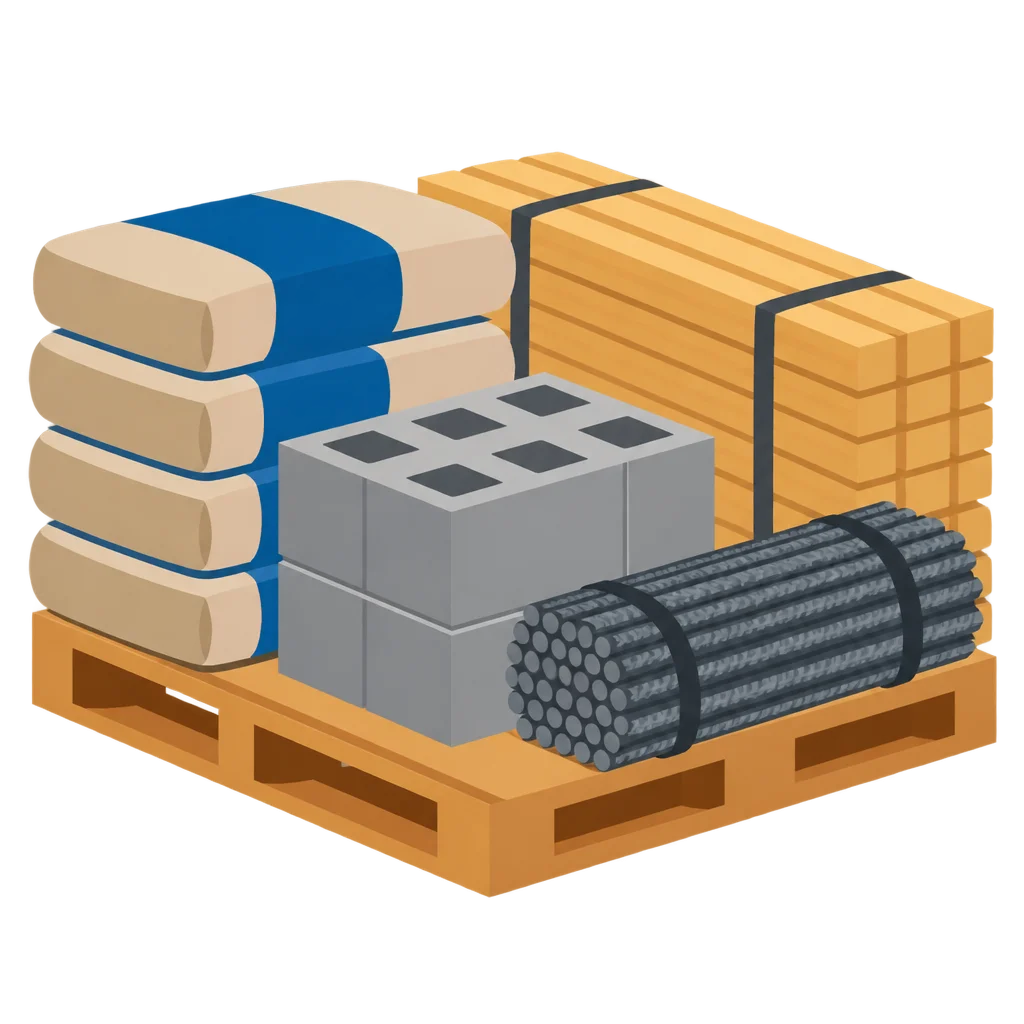
1200 regular clients
62940
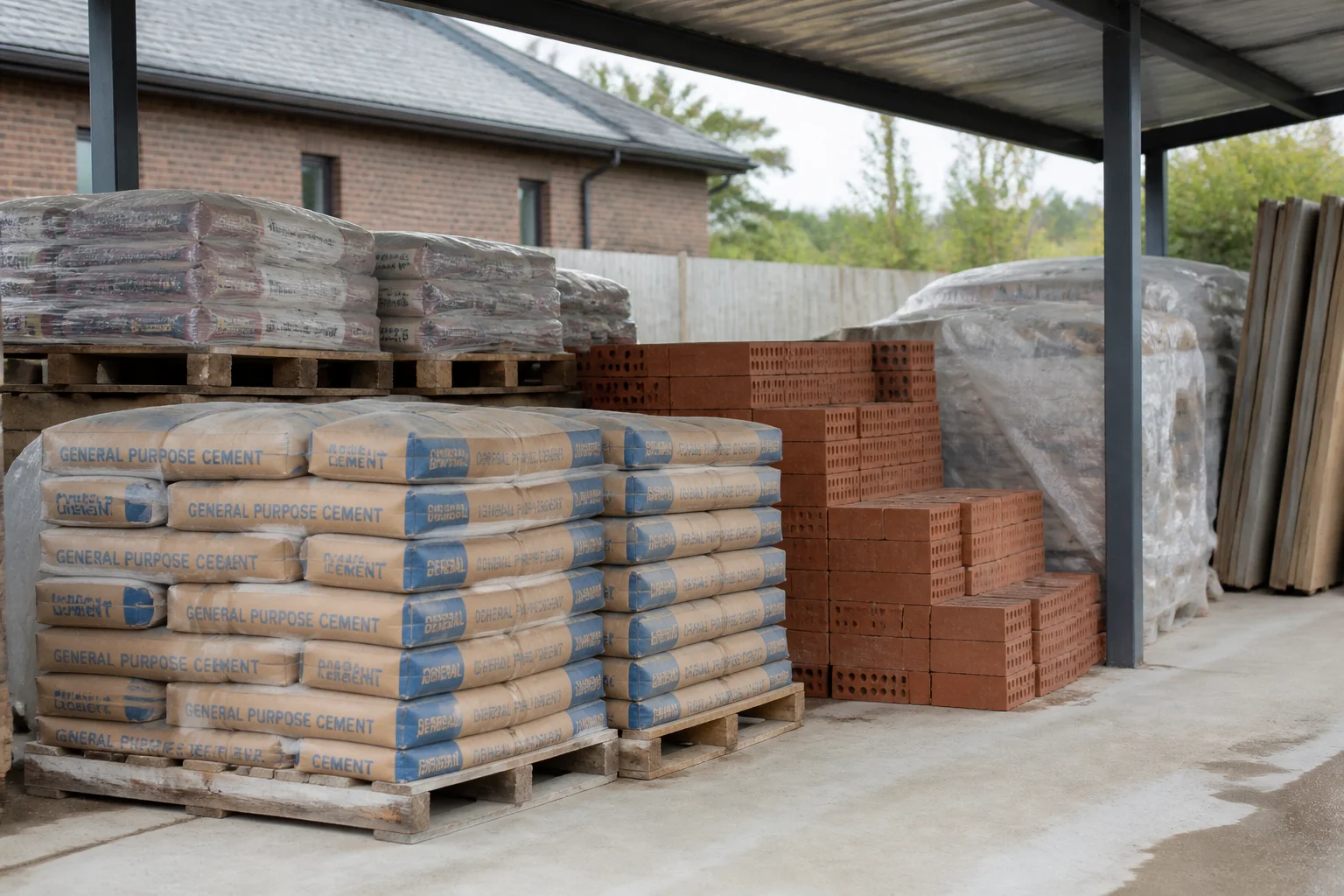
Starting a residential construction project without a solid plan for your basic building materials is a fast track to financial trouble. Every bag of cement, every pallet of bricks, and every sack of dry mix dictates the structural integrity and the final timeline of the building. When the supply chain stumbles on the muddy roads of a new development site, workers stand idle, equipment sits burning fuel for nothing, and the entire budget starts leaking money through invisible cracks.
Getting the logistics right requires looking past colorful packaging and fancy marketing brochures. It means understanding how heavy commodities behave in transit, how they react to weather changes on an unprotected plot, and how to sequence deliveries so that materials do not sit in the way of excavators or scaffolding. A well-organized site runs like a clockwork mechanism, while a chaotic one turns into a muddy graveyard of spoiled mortar and chipped masonry units.
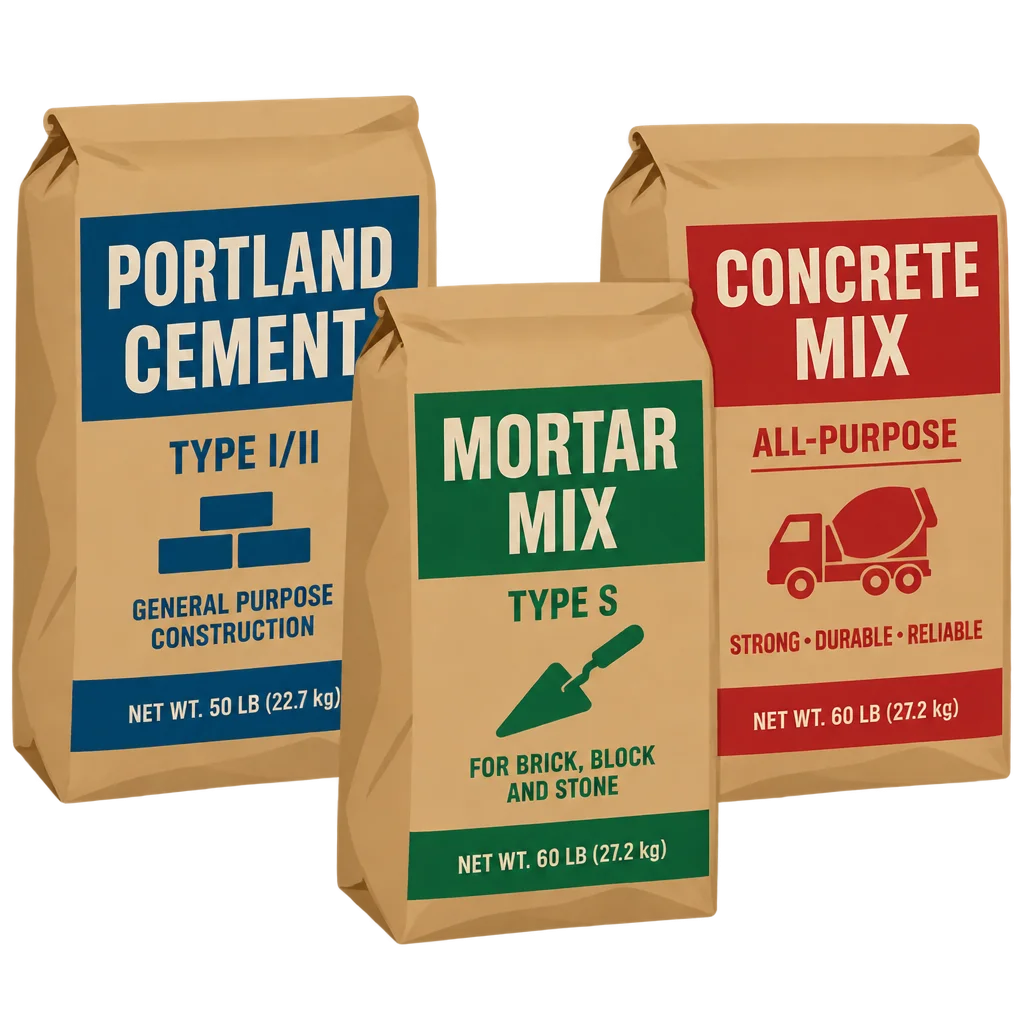
Choosing the correct binding agent forms the foundation of any durable masonry work or monolithic pour. Portland cement remains the undisputed backbone of residential building sites, yet mixing up designations often leads to disastrous structural failures during freezing weather or under heavy loads. Builders must evaluate the specific strength class required for foundations versus interior screeds before placing a bulk order.
Fresh powder loses its hydraulic activity rapidly if exposed to humid air or water droplets during transport. Inspecting the manufacturing date printed on the paper bags prevents the unpleasant surprise of discovering rock-hard lumps inside the mixer when the crew is halfway through pouring a critical slab. Reliable suppliers store their stock in climate-controlled warehouses, but once the truck unloads on the dirt, the responsibility shifts entirely to the builder.
Clay and silicate masonry units arrive neatly strapped to wooden pallets, yet carelessness during unloading turns straight edges into jagged rubble. Ceramic bricks demand careful handling because excessive chipping weakens the mortar bond and ruins the clean aesthetic of an exposed facade. Stacking units too high on uneven ground invariably causes the bottom layers to buckle under the shifting weight.
Moisture control remains critical especially when dealing with silicate products that absorb water like a sponge. Once soaked through, these blocks trap humidity inside the wall structure, leading to efflorescence and thermal insulation loss during the first winter freeze. Proper site planning ensures that pallets sit close enough to the working perimeter without blocking access for heavy delivery trucks.
Modern construction relies heavily on factory-blended dry mixes for plastering, tile setting, and specialized masonry work. Unlike site-batched sand and lime, these bags contain precise polymer additives that guarantee adhesion and setting time. However, those very chemical modifiers make the products extremely sensitive to moisture and extreme temperature swings during outdoor storage.
Store all dry mixes inside a locked, waterproof container or a temporary shed with a raised wooden floor. Sacks left out in the open overnight absorb morning dew through the paper pores, triggering premature hydration that ruins the material before it ever reaches the trowel. Workers should rotate stock using the first-in, first-out rule to ensure older batches get used up before the chemistry degrades in storage.
Logistics can make or break a residential project long before the roof trusses go up. Ordering everything at once clogs up the limited workspace and exposes delicate materials to weather damage, while ordering in tiny dribs and drabs incurs punishing transport fees and causes frustrating delays. Striking the right balance means scheduling phased deliveries that match the physical capacity of the crew.
Coordinating delivery slots with the supplier ensures that heavy flatbed trucks arrive when the site actually has an operating crew ready to unload. Drivers appreciate clear instructions regarding gate widths, turning radiuses, and overhead power lines that might interfere with crane arms. Anticipating these physical barriers on the ground transforms a stressful delivery day into a routine operation that keeps the building process moving forward smoothly.

Receive an itemized calculation and professional advice on material selection from our experienced managers.

Submit your project blueprints or a simple list of required building materials through our website.
Approve the delivery schedule and unload your construction supplies directly at the building site.

We built our family home step by step, and getting the materials delivered on time was our biggest worry. This company never let us down once throughout the entire spring and summer construction season.

Ordering cement and bricks for my cottage build used to give me headaches. Sinxtaelix sorted out the entire delivery schedule in one phone call and the driver dropped everything right where we needed it.

I really appreciated the clear advice on brick storage. They explained how to keep the pallets covered from moisture, and not a single unit cracked or spoiled during the autumn rains.

The dry mixes arrived dry and well-packed, which is rare these days. Their manager actually checked our foundation blueprint before sending the batch, saving us from buying the wrong grade of mortar.








Andrii Melnyk
Logistics Manager

Olena Shevchenko
Materials Consultant

Dmytro Kovalenko
Warehouse Supervisor

Kateryna Boyko
Chief Estimator